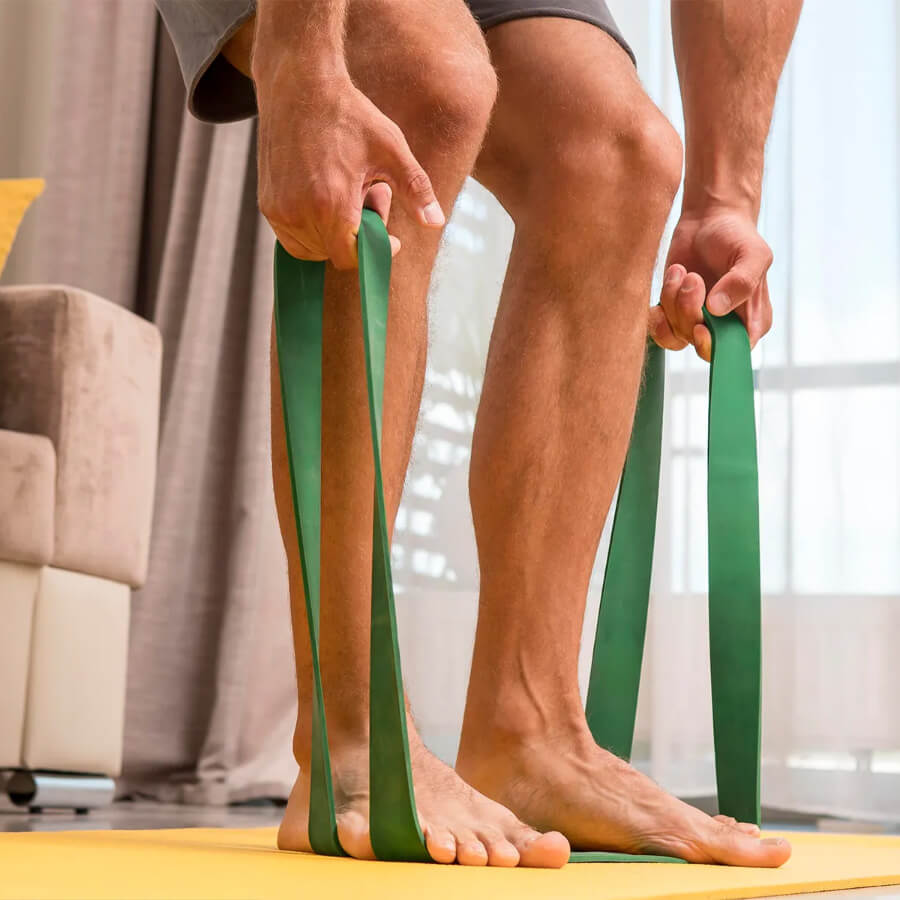
Is regular exercise good for vein health? Yes! In fact, low-impact activities like walking, cycling, and swimming are among the most effective ways to alleviate the pressure that makes legs feel heavy, achy, or tired. Incorporating these activities into your routine can help reduce leg swelling and prevent the progression of vein disease.
Exercise and Leg Circulation
Regular exercise is essential for maintaining healthy leg veins and preventing issues due to pressure buildup. This is because leg veins play a crucial role in transporting deoxygenated blood back to the heart. Read on to discover the impact of exercise on vein health, find out which workouts promote healthy circulation, and dispel common myths.
How Does Exercise Help Your Veins?
Regular exercise helps your leg veins by boosting blood circulation and strengthening your calf muscles. Exercise also reduces excess pressure on your leg veins by helping you maintain a healthy weight and improving circulation.
Works The Calf Muscle Pump
The calf muscle pump is often called the second heart because, when the calf muscle contracts, it helps propel blood from the lower legs back toward the heart, a process called venous return. Low-impact exercises are the gold standard for vein health because they activate the calf muscle pump, pushing blood back up to your heart more efficiently.
Helps Maintain a Healthy Weight
Maintaining a healthy weight can help reduce the pressure from gravity on your venous valves. If you are overweight, losing even a small amount of weight can improve your vascular health and reduce your risk of developing vein issues like chronic venous insufficiency (also called venous reflux) and varicose veins.
Top 5 Exercises for Optimal Vein Health
Moving your legs is one of the best ways to improve your leg vein health. However, you don’t have to run a marathon to reap the rewards. There are plenty of low-impact, enjoyable exercises you can start today to get the blood flowing. Here are the top five.
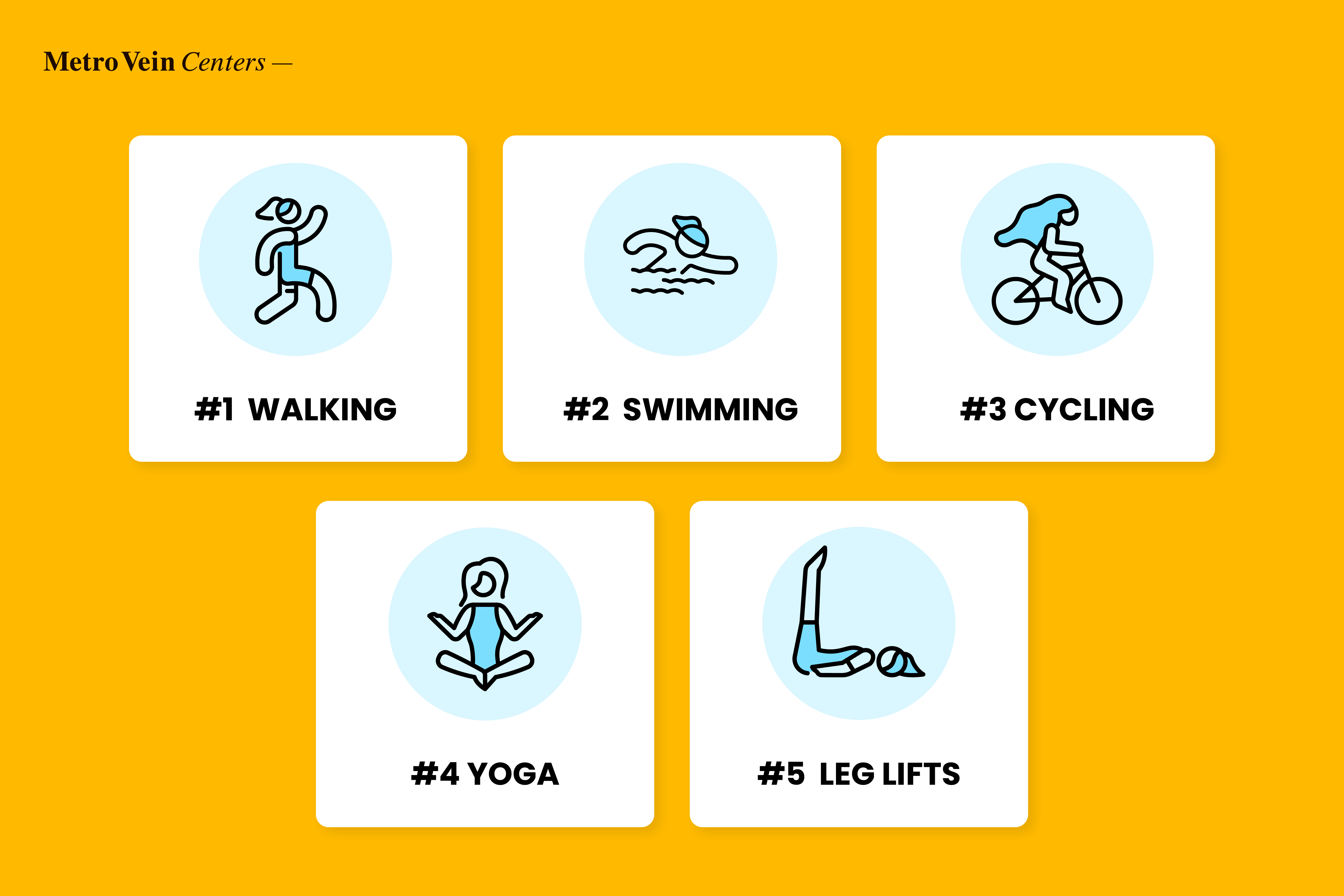
#1 Walking: The Simple Yet Powerful Vein Booster
Walking is the easiest way to improve blood circulation in your legs. When you walk outside, you also get the added benefit of sunlight exposure, which provides your body with vitamin D. If you cannot walk during daylight hours, do not worry. Walking indoors provides the same leg-vein benefits, minus the sunshine.
#2 Swimming: Low-Impact, High-Reward for Your Veins
Swimming is a low-impact exercise that relieves pressure on your leg veins and boosts circulation. Swimming is arguably the best full-body workout for your veins. It's an excellent alternative for those struggling with other cardiovascular activities and simultaneously works for multiple muscle groups. At the same time, the cool water temperature can help constrict dilated veins, providing temporary relief from swelling and aching.
#3 Cycling: Pedaling Your Way to Healthier Veins
Cycling can be an excellent activity for building leg strength and improving blood circulation from your toes to your heart. Whether you cycle indoors or outdoors, aim for 15 to 30 minutes each day on flat terrain to maximize your benefits.
#4 Yoga: Stretching and Flowing for Better Circulation
A good stretching routine can improve flexibility, strength, and blood flow. Yoga is beneficial because its movements relieve pressure on the veins in your legs. Poses like Legs-Up-the-Wall (Viparita Karani) and Adho Mukha Svanasana (Downward-Facing Dog) can increase circulation and reduce pressure and swelling in the ankles. Regular yoga can reduce the risk of developing varicose veins and improve leg health.
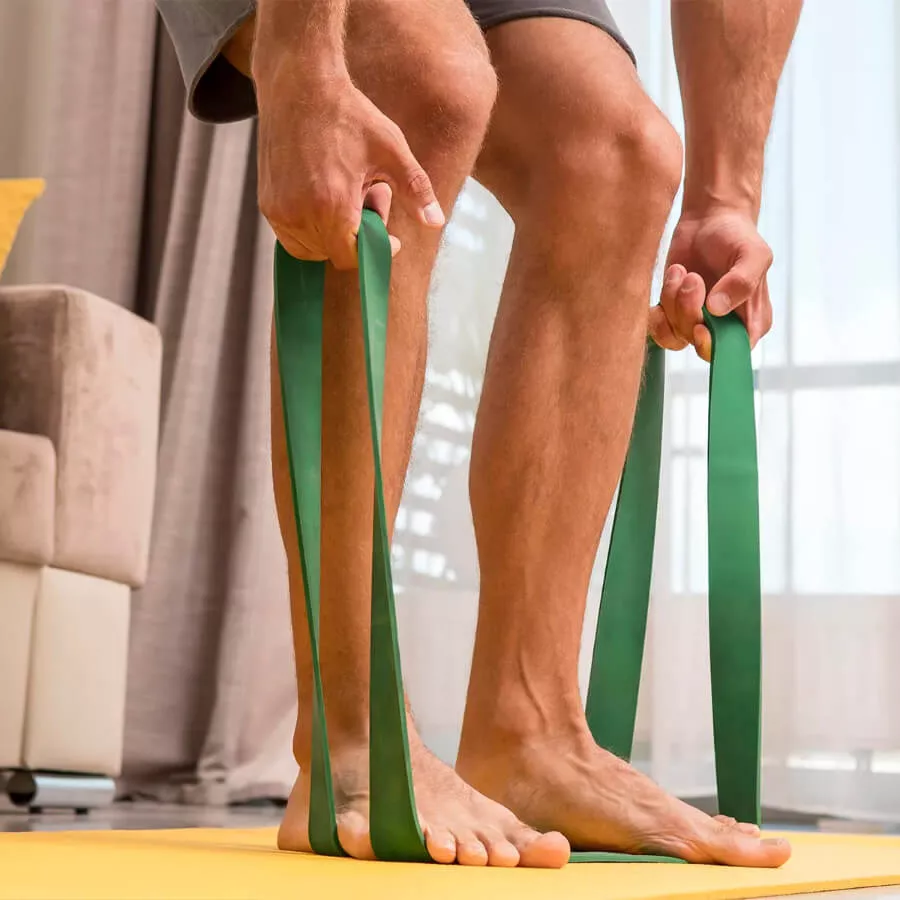
#5 Leg Lifts: Targeted Exercises for Vein Strength
Leg lifts are an excellent exercise for strengthening your calf muscles. This movement helps pump blood from your legs back to your heart. Additionally, it can reduce leg pain and swelling from standing or sitting for prolonged periods.
Best Exercises to Do at Your Desk
If you sit for long periods, your calf muscles stay relaxed, making it harder for blood to flow upward. Use these five micro-movements every hour to keep your circulation moving:
Ankle Pumps
Extend your legs and flex your feet up toward your shins, then point your toes away. Repeat 15 times.
Seated Calf Raises
Keep your toes on the floor and lift your heels as high as possible. Squeeze at the top and lower slowly.
Knee Lifts
While seated, lift one knee toward your chest as if marching, then swap. This engages the larger muscles in your legs.
Foot Circles
Lift your feet off the ground and rotate your ankles in a circular motion, 10 times clockwise and 10 times counter-clockwise.
Standing Breaks
Set a timer to stand and stretch every 30 to 60 minutes. Even 60 seconds of standing helps reset the pressure in your veins.
Exercises to Avoid If You Have Varicose Veins
Having varicose veins is not a reason to stop exercising. In fact, low-impact activities like walking can be very beneficial for your health, including circulation. However, certain high-impact activities could make varicose veins worse. These include:
- Lifting heavy weights
- Exercises that require prolonged sitting
- High-impact jumping, running, or aerobics
Your vein specialist is the best person to provide personalized recommendations for exercising with varicose veins.
Building a Routine That Works for You
To improve your leg vein health, it's important to choose exercises you enjoy. Rotate vein-health exercises at home or at your desk at work throughout the week, spending 15 to 30 minutes daily for optimal results. You might not see results right away, but staying consistent is key. It can take several weeks or even months to notice the benefits of regular exercise on your leg veins.
Additional Tips for Maintaining Healthy Veins While Exercising
To protect your leg veins during exercise, follow these tips:
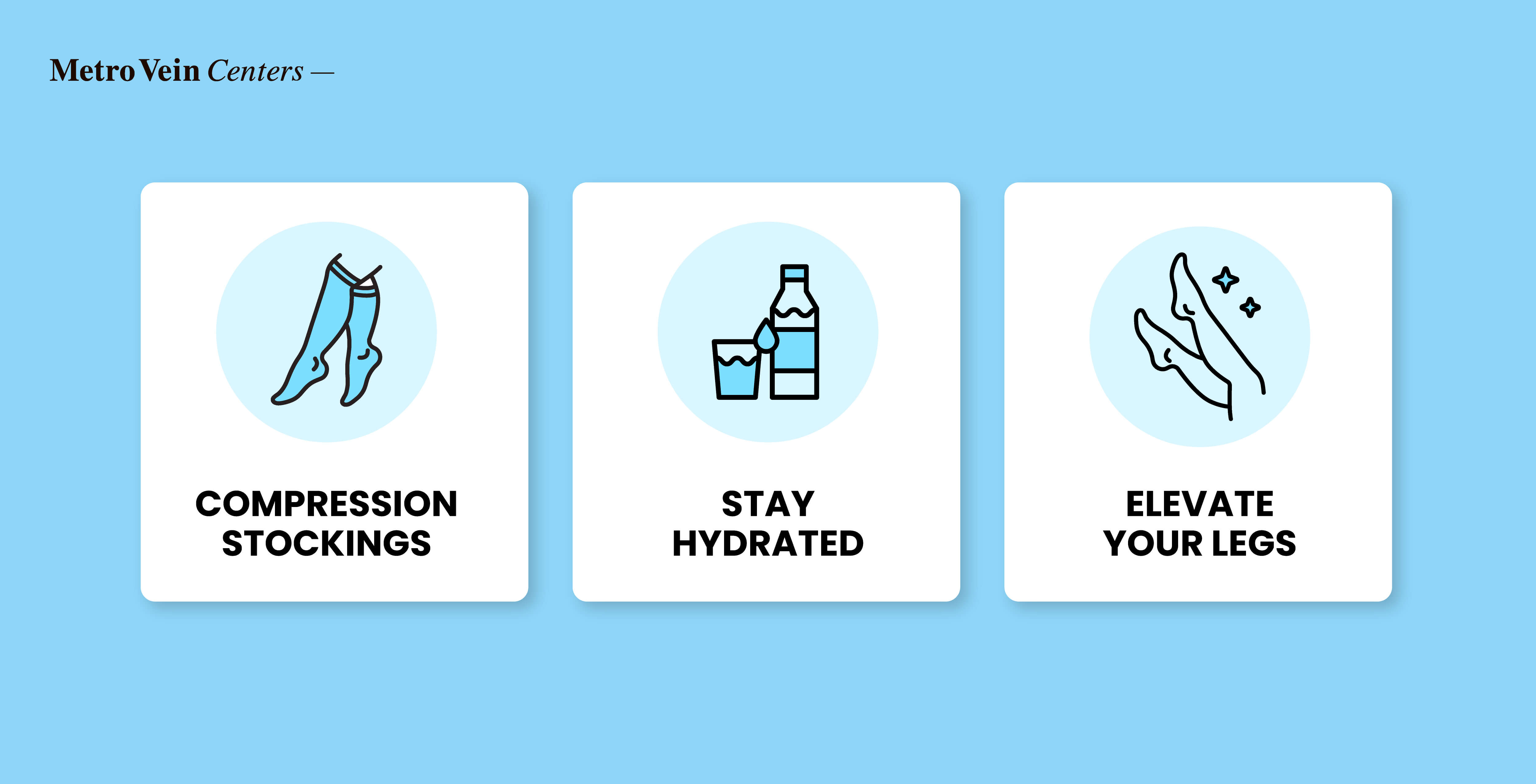
- Wear compression stockings to improve circulation and reduce swelling.
- Drink plenty of hydrating fluids to avoid leg cramps.
- Elevate your legs post-workout to prevent soreness and minimize venous pressure.
When to Consult a Vein Specialist
Some problems with leg veins can be prevented, but others cannot. These issues might happen because of hormonal fluctuations, leg injuries, or genetics. If you notice any of the following signs or symptoms related to your leg veins, contact a vein specialist.
- Swelling
- Tenderness
- Cramping or aching
- Restless legs
- Unusual warmth
- Abnormal skin changes
- The sudden appearance of visible dark veins
- Leg sores or ulcers
The Importance of Exercise for Lifelong Vein Health
Regular exercise improves blood flow and keeps your leg veins healthy. Even a brisk walk can relieve pressure in your legs, reducing the risk of varicose veins and blood clots.
If you have a problem with your leg veins, it's important to consult a leg vein specialist. They can assist you in developing a safe exercise plan tailored to your needs. This plan will not only help you prevent injuries but also enable you to maximize the benefits of your workouts.
Ready to take the next step in your vein health journey? Schedule a free vein health evaluation with our expert vein specialists today!
Frequently Asked Questions: Debunking Common Myths About Exercise and Vein Health
Let’s debunk some common myths about how your workout routine can impact your veins, addressing common concerns about pressure and circulation.
No, exercise does not cause varicose veins. In fact, low-impact physical activity can reduce the symptoms of varicose veins and prevent the condition from progressing.
Running itself does not cause varicose veins, but the sport's high-impact nature can increase blood volume in your legs, which may stress already weakened veins. To reduce stress on their leg veins, runners can wear compression socks and run on softer surfaces, such as grass or tracks.
Yes! Walking is widely considered the best exercise for vein health. It is a low-impact movement that consistently contracts the calf muscles, pushing blood upward and reducing the pooling that can lead to bulging veins.
Yes, certain high-intensity workouts can temporarily increase venous pressure. Heavy weightlifting (especially squats or leg presses with breath-holding) and high-impact aerobics can strain damaged valves. If you have existing varicose veins, focus on higher repetitions with lower weight and maintain steady breathing.
Yes, and it is highly recommended. While you should always consult your specialist first, exercise is a core component of managing CVI. Staying active helps reduce the aching and heaviness associated with the condition. Low-impact choices like swimming or cycling are ideal as they improve circulation without the added strain of gravity.

Metro Vein Centers Editorial Team
From vein care 101 to treatments, the Metro Vein Centers blog offers patients everything they need to know about vein health.

Trusted insight from the nationally accredited, board-certified vein doctors at Metro Vein Centers.