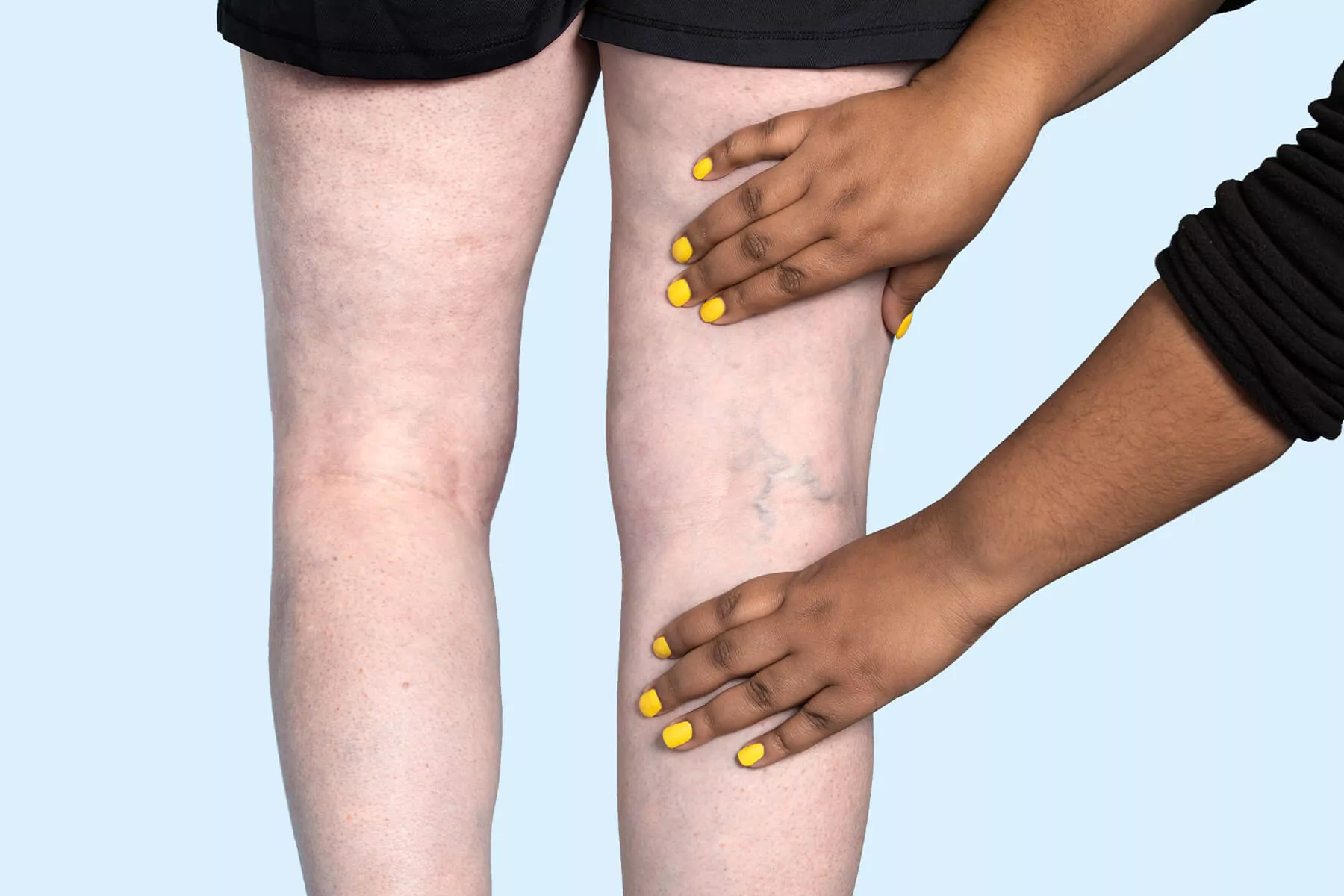
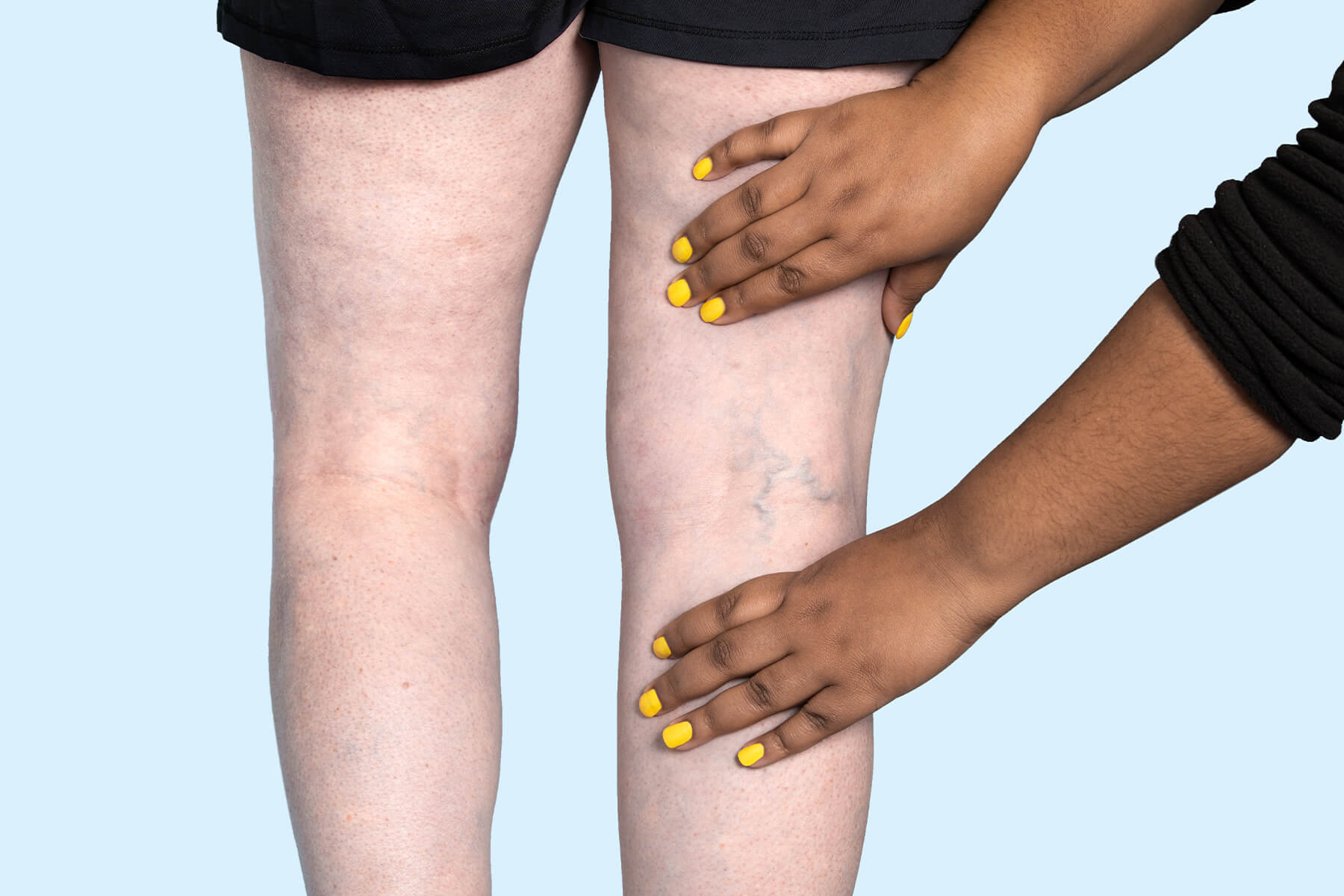
Vein health is more than just a cosmetic concern; it's an essential component of your overall well-being. When vein issues like chronic venous insufficiency prevent your veins from pumping blood efficiently, valves weaken and blood pools, causing veins to stretch and bulge.
Ignoring vein problems can lead to a range of serious health issues, affecting everything from your mobility to your comfort. However, early diagnosis and treatment can help prevent complications and improve your quality of life.
If you've noticed changes in your veins recently and want to know what's really going on beneath the surface, the vein specialists at Metro Vein Centers offer free vein health evaluations at 70+ clinic locations. Book yours today.
Understanding Vein Disease Progression
Certain risk factors can increase your chances of developing vein disease, such as:
- Genetics - having a family member with vein disease
- Age - being over the age of 50
- Being overweight or obese
- Prolonged standing or sitting
- Pregnancy
Untreated vein conditions tend to worsen over time. What might start as minor discomfort or visible spider veins can progress to more serious problems, such as:
- Varicose veins
- Leg swelling
- Skin changes
- Ulcers
This progression can lead to a variety of complications, affecting your quality of life and potentially posing serious health risks.
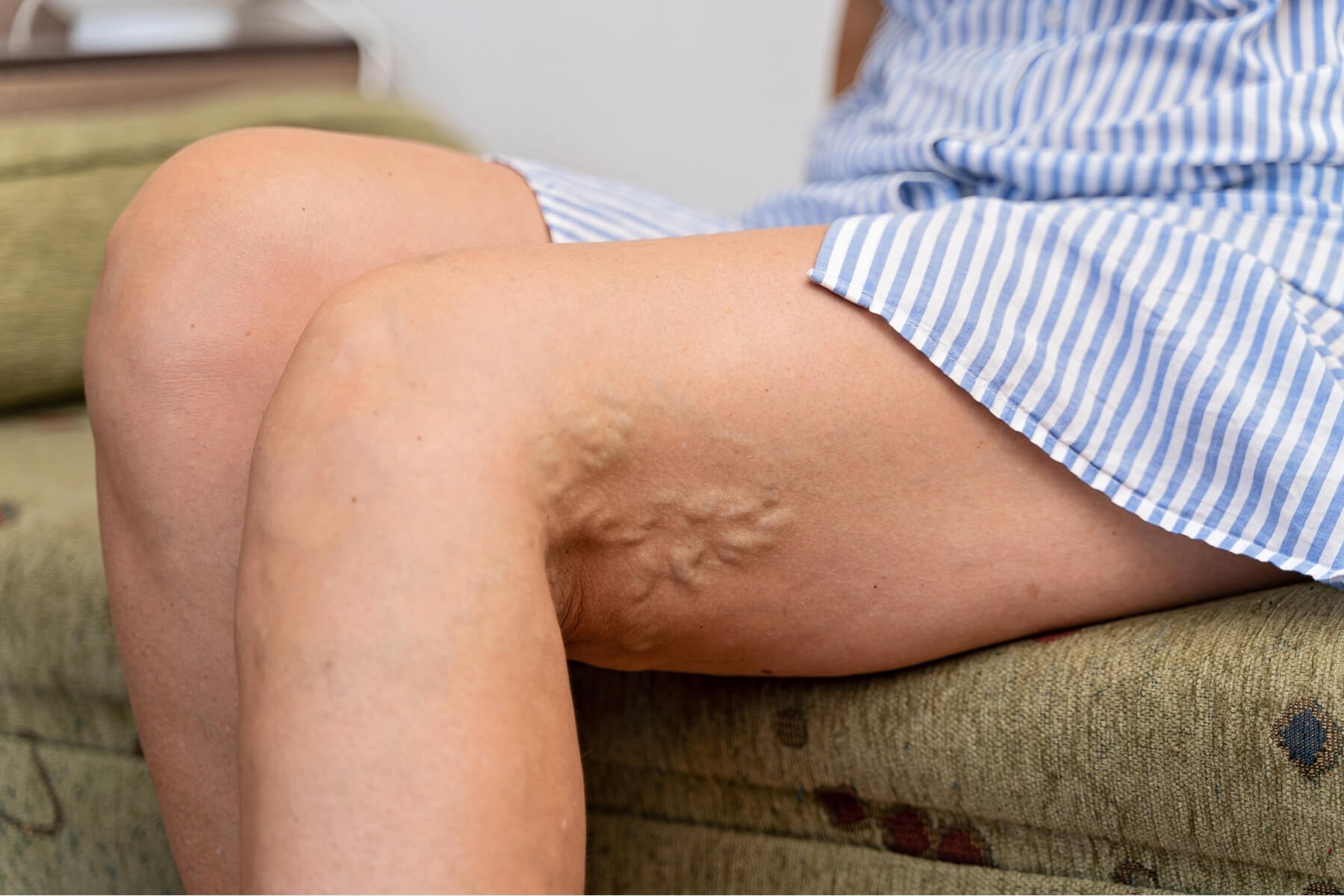
Chronic Venous Insufficiency Complications
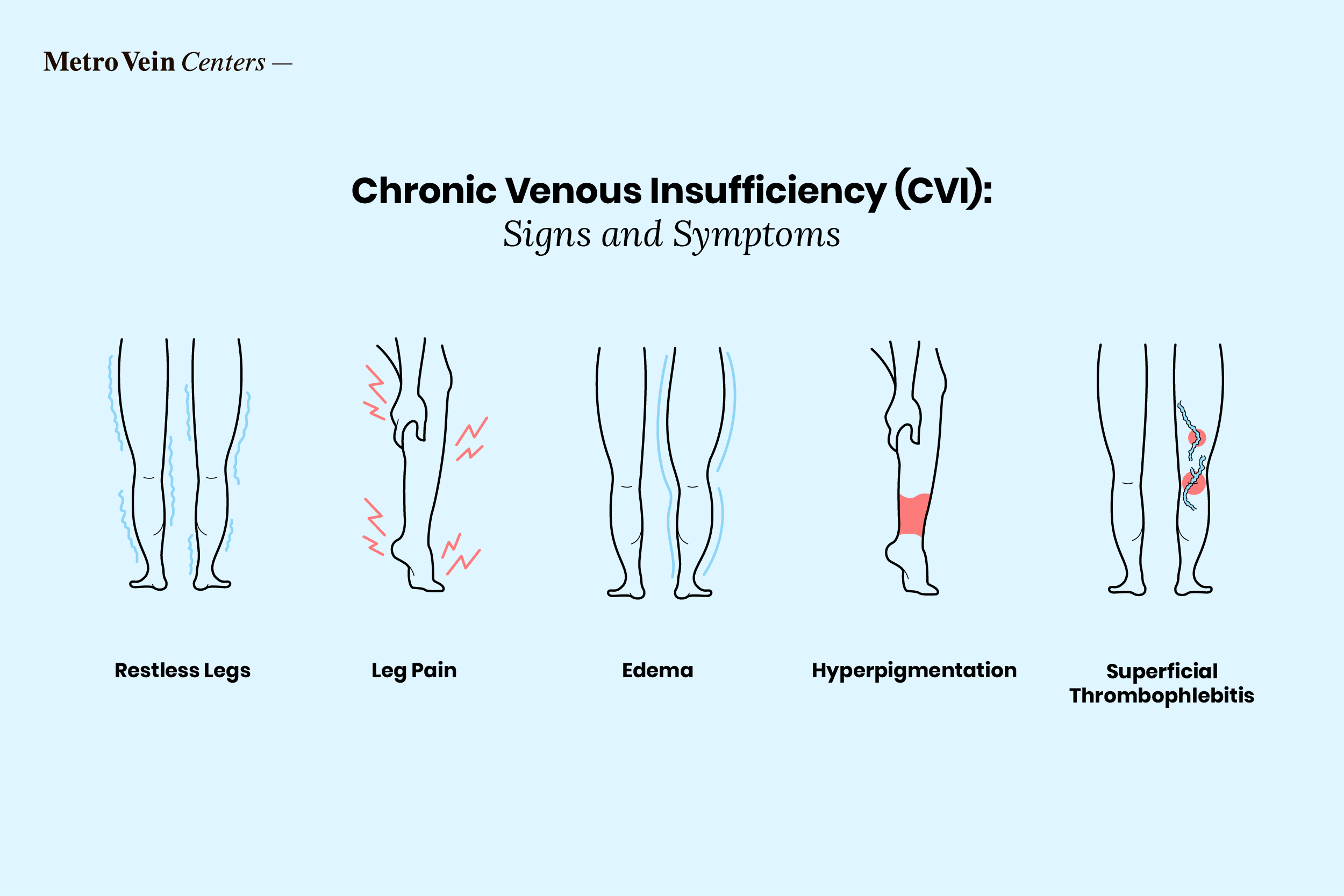
CVI, if left untreated, can lead to a range of complications that can significantly impact daily activities and reduce your overall quality of life. These include:
- Edema: Fluid buildup in the legs and ankles, causing discomfort and limiting mobility.
- Skin changes: Hyperpigmentation (darkening of the skin), lipodermatosclerosis (hardening and thickening of the skin), and eczema-like rashes.
- Pain: Chronic leg pain, heaviness, and cramping.
- Restless legs syndrome: An irresistible urge to move the legs that often disrupts sleep.
- Superficial Thrombophlebitis: inflammation of a vein with a blood clot causing skin discoloration, itching, and hardening.
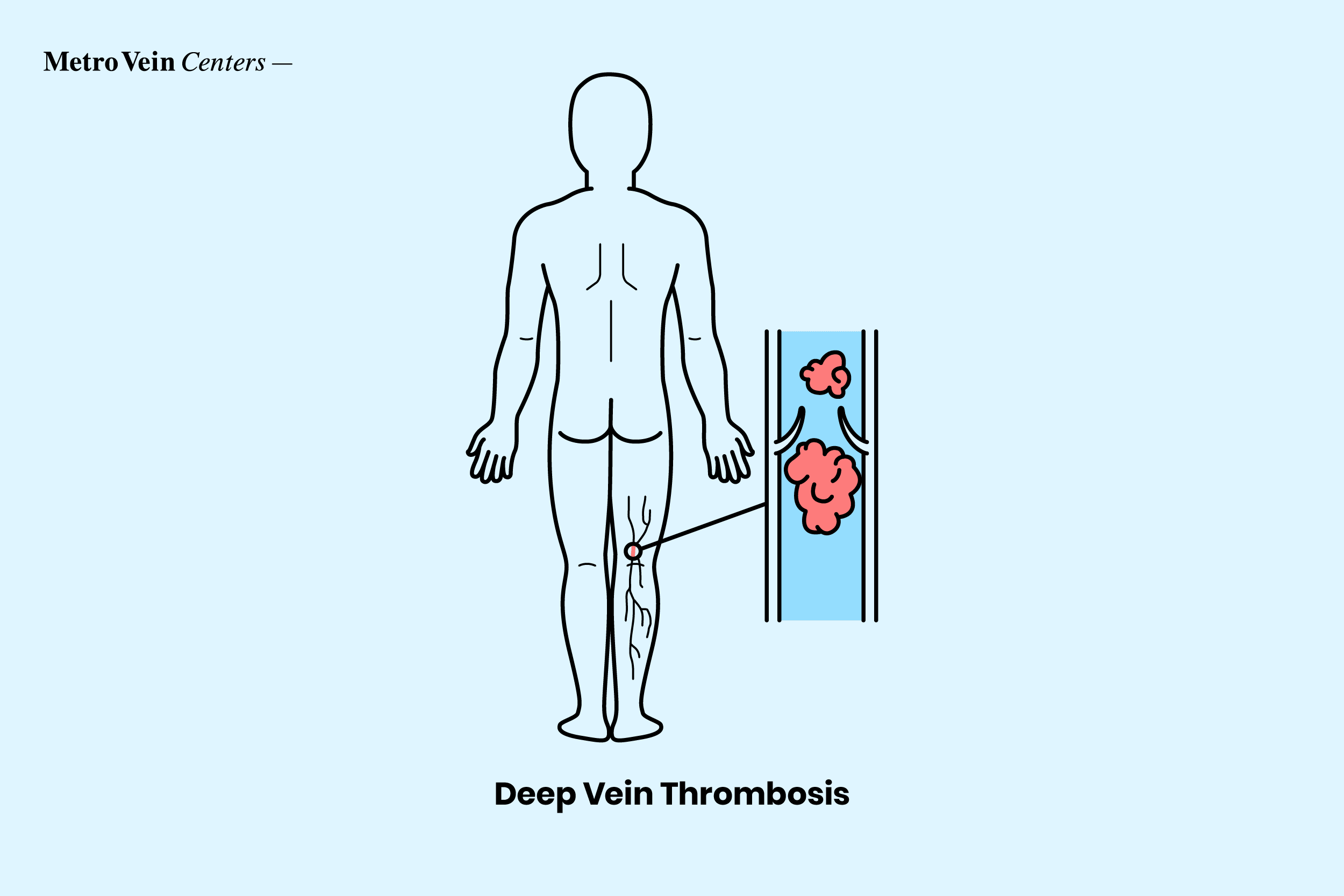
Deep Vein Thrombosis
One of the most concerning risks of untreated vein disease is the development of deep vein thrombosis (DVT). DVT occurs when blood clots form in the deep veins of the legs. If you are experiencing the signs of DVT (leg pain, swelling, warmth, and redness) seek medical attention immediately.
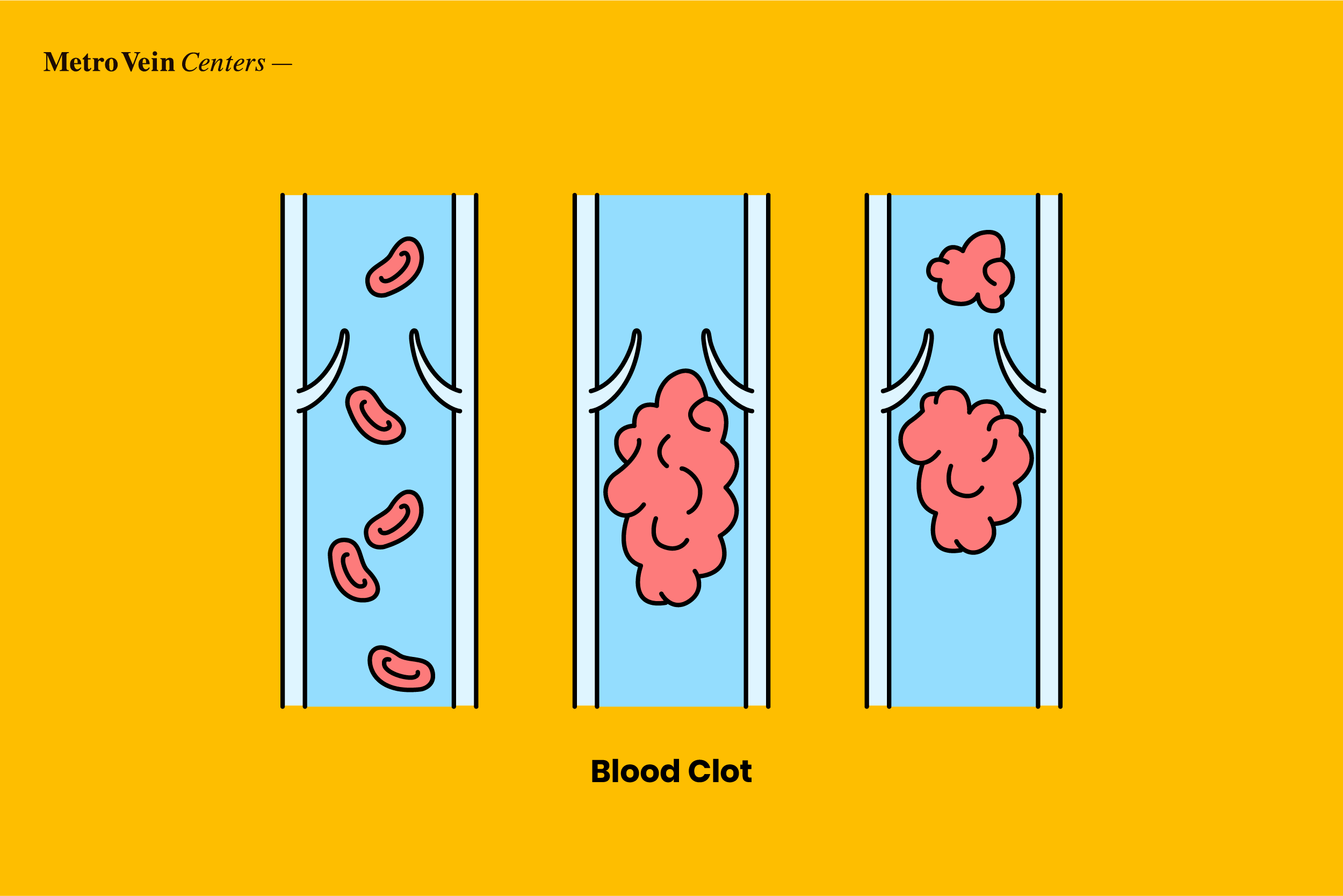
Pulmonary Embolism
A pulmonary embolism (PE) is a life-threatening condition that can occur when a blood clot (usually from DVT) breaks off and travels to your lungs. Common symptoms include shortness of breath, chest pain, and fainting. If you have any of these symptoms, then you should seek emergency medical care immediately.
Venous Ulcers: A Painful Reality
Venous ulcers are a painful and challenging consequence of untreated CVI. These are slow-healing wounds that typically develop on the lower legs or ankles due to circulatory problems. They can be difficult to treat and are prone to infection. Preventing venous ulcers through early vein care is essential.
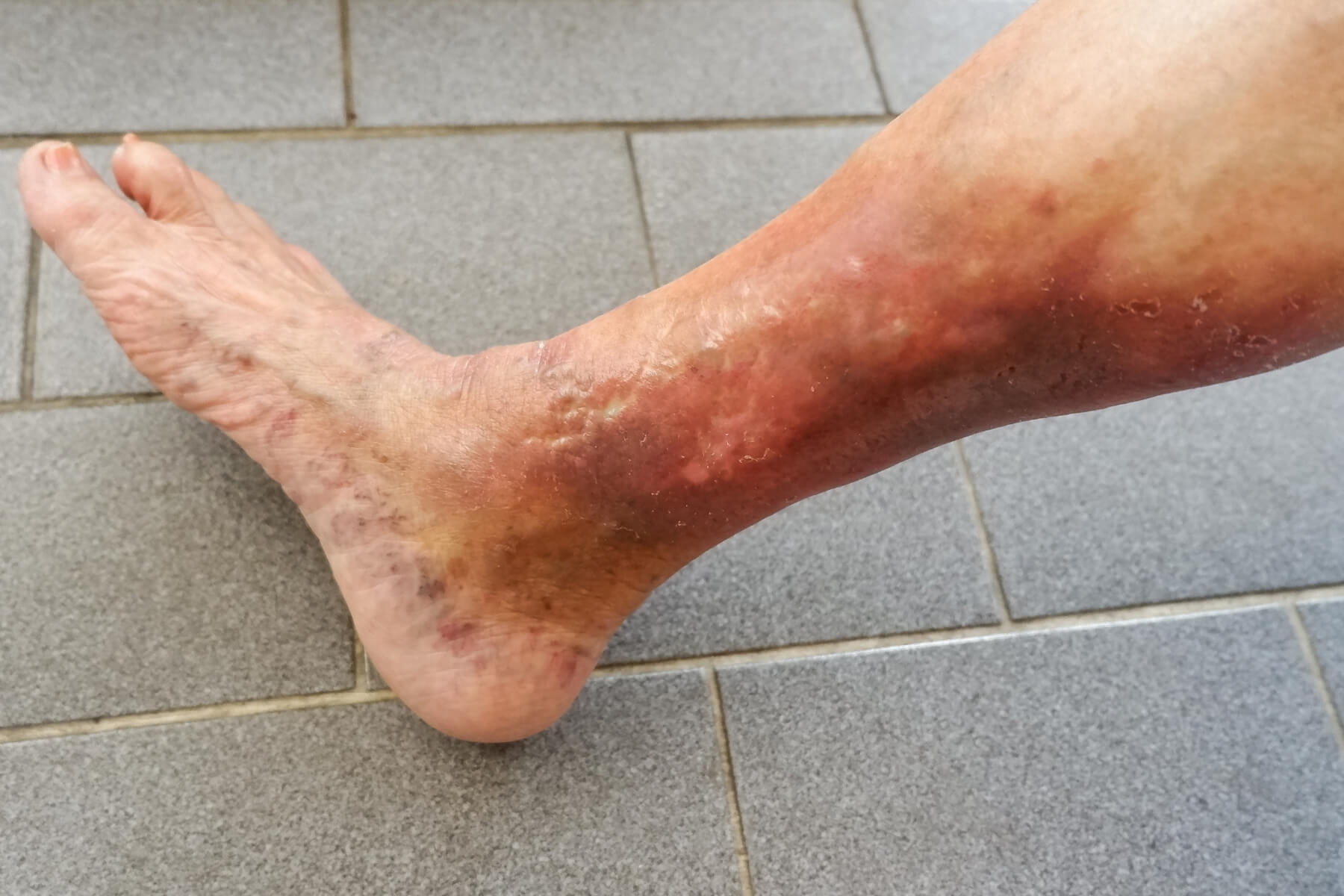
Skin Changes and Cosmetic Concerns
While some may view varicose and spider veins as simply cosmetic issues, the skin changes associated with vein disease can be more than just aesthetically displeasing. Addressing the underlying vein condition can be a necessary step to improve skin health and appearance.
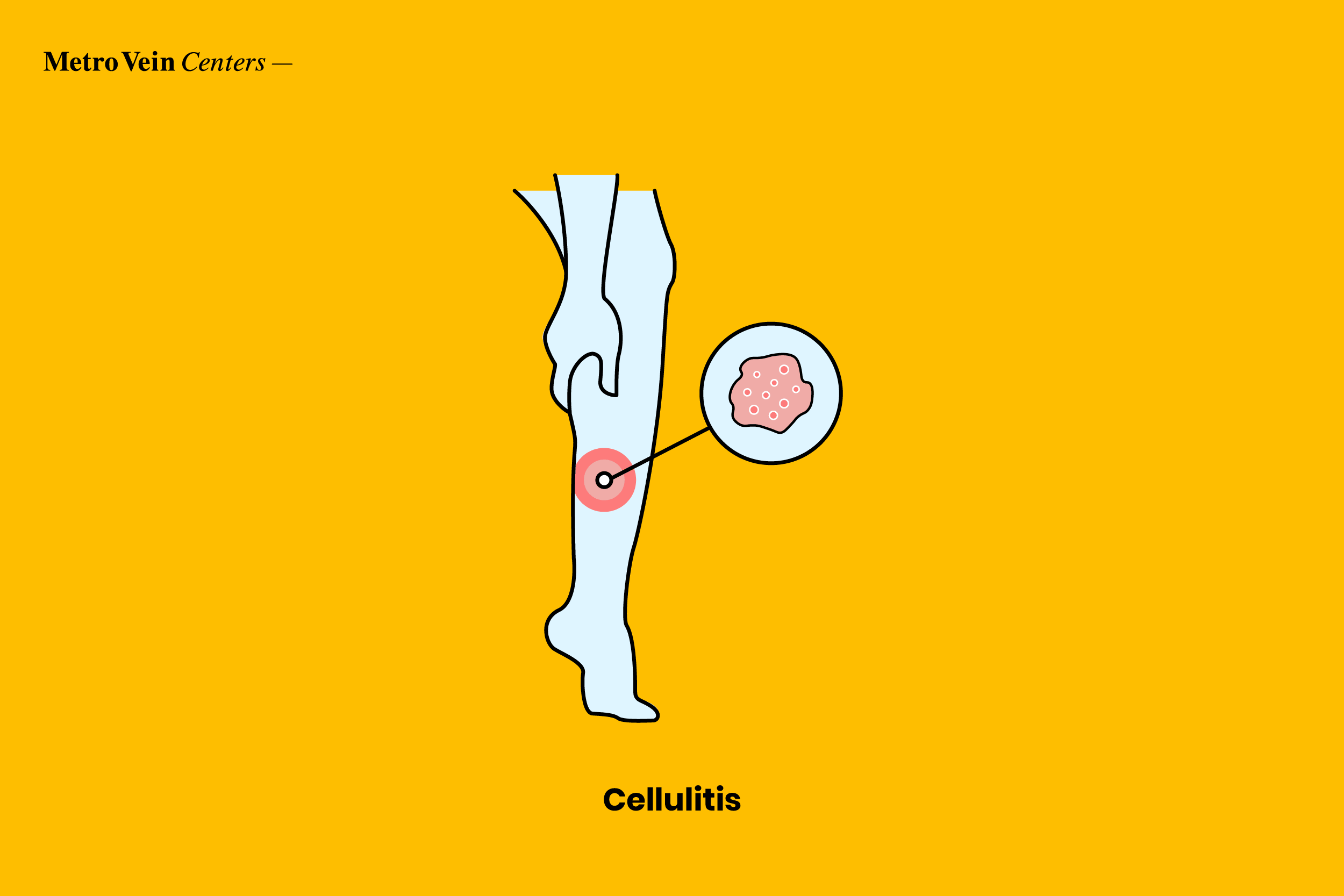
Increased Risk of Infections
Compromised vein health can make individuals more susceptible to infections, such as cellulitis. Poor circulation weakens the immune system's ability to fight off infections in the legs. Cellulitis can cause redness, swelling, pain, and fever, and may require antibiotic treatment.
Varicose Veins and Cardiovascular Health
There is also evidence suggesting a connection between varicose veins and cardiovascular health. If you have other risk factors for cardiovascular disease, it's worth bringing up with your vein doctor or another healthcare provider.
Impact on Quality of Life: More Than Just Physical Symptoms
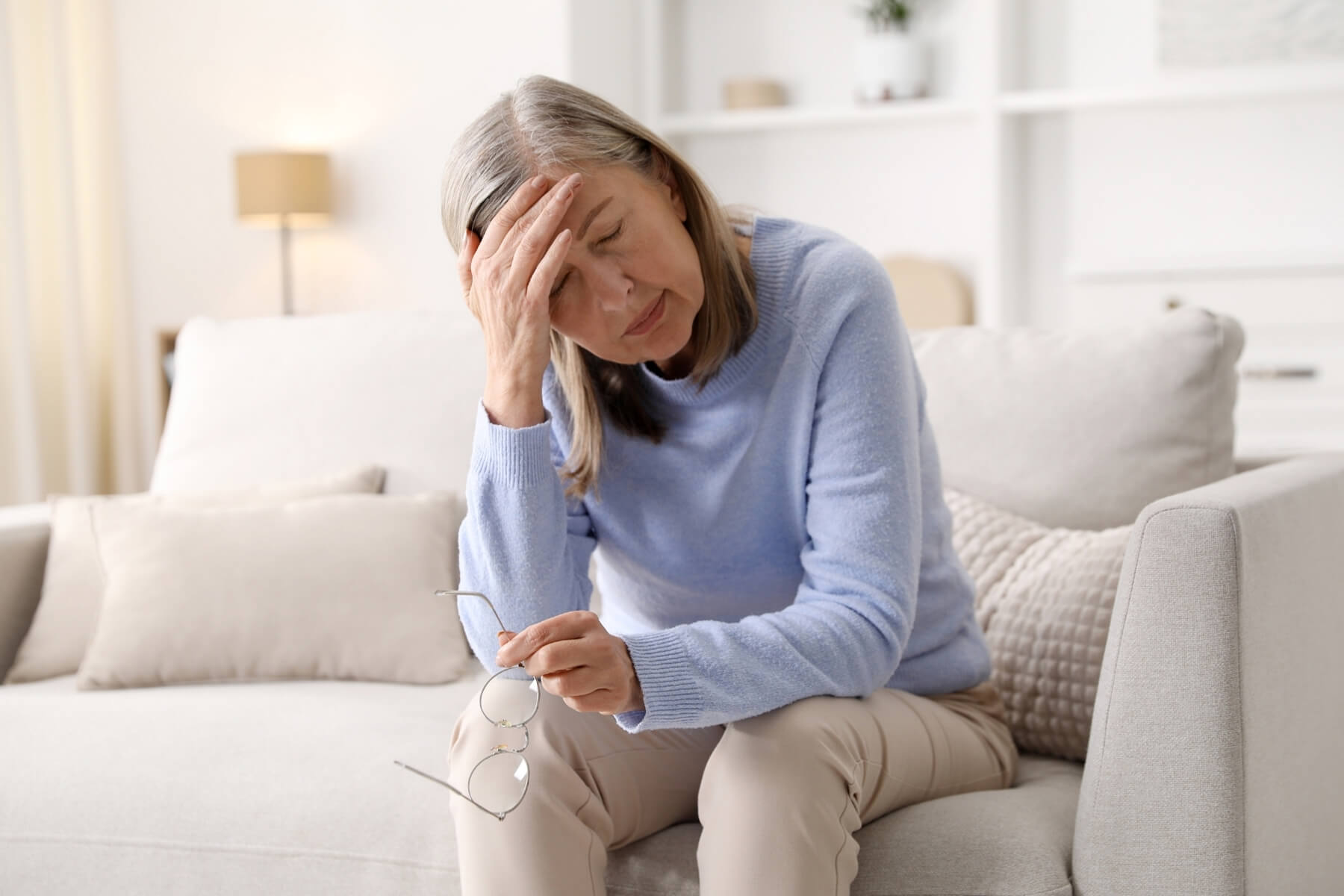
Beyond physical symptoms, untreated varicose veins can negatively impact your quality of life. Chronic pain, swelling, and cosmetic changes can limit mobility and enjoyment of daily activities. These physical limitations can also take a toll on your mental and emotional well-being, possibly leading to anxiety, depression, and social isolation.
How Vein Disease Is Diagnosed
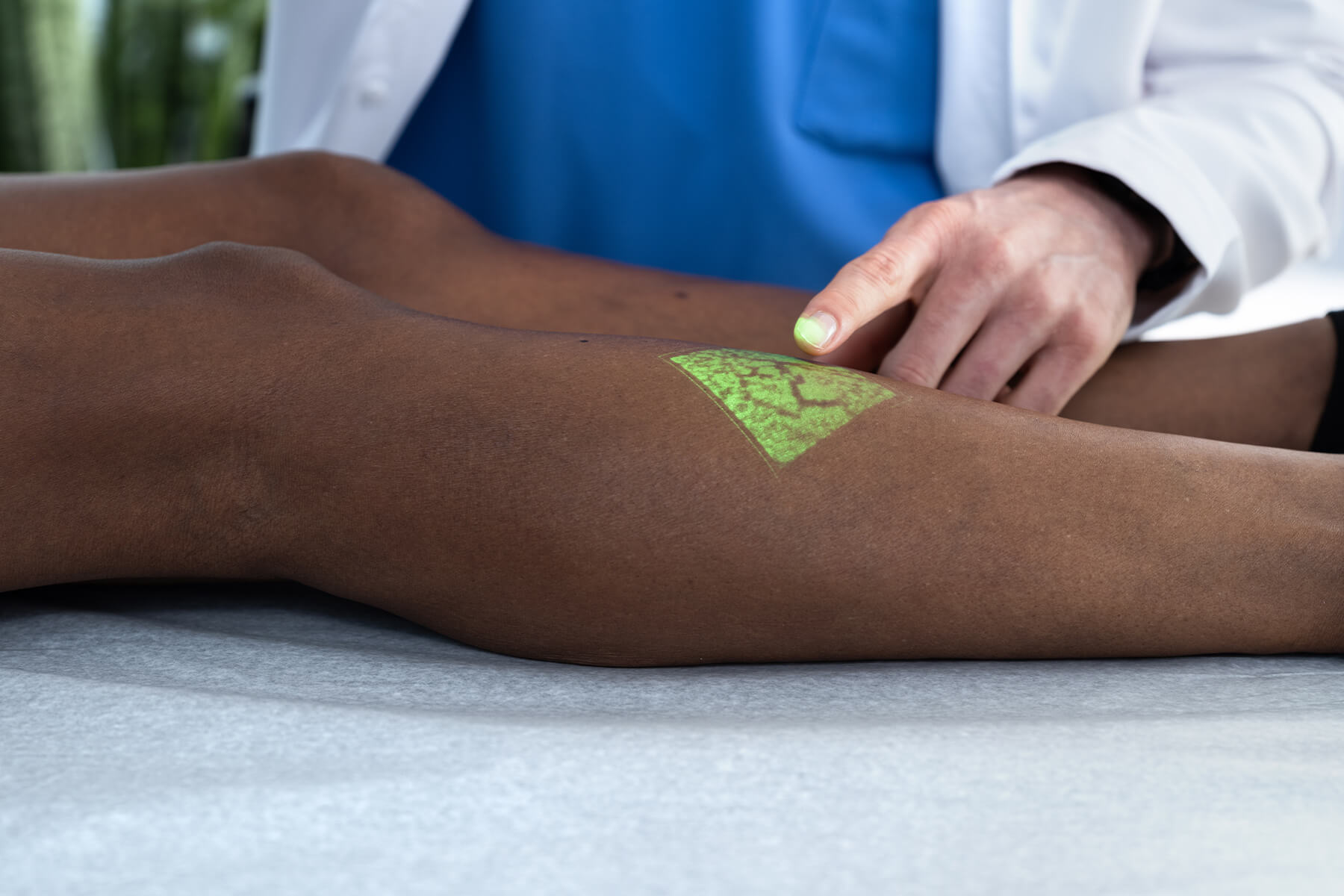
Early detection is key to preventing serious complications from varicose veins and other vein health conditions. During a varicose vein evaluation, your doctor may use:
- Duplex Ultrasound: This non-invasive test uses sound waves to visualize blood flow and identify clots.
- Doppler Studies: These measure blood flow in your arteries and veins, helping to assess venous insufficiency.
The Importance of Early Intervention
Early diagnosis and treatment are priorities in preventing the progression of vein disease and avoiding serious complications. If you're experiencing any symptoms of venous disease, such as leg pain, swelling, varicose veins, or skin changes, don't hesitate to seek medical attention.
When to See a Doctor for Varicose Veins
If you have any of these varicose veins red flag symptoms, you will want to consult your vein specialist:
- Sudden or worsening pain or swelling
- Skin discoloration or itching
- Leg ulcers or open sores
- Bleeding
- Shortness of breath
Don't ignore the signs - schedule your free, comprehensive vein health assessment today.
Frequently Asked Questions
The rate of progression varies depending on individual factors, but untreated varicose veins can lead to complications over time. It's best to seek treatment early to prevent progression.
Signs like sudden leg swelling, pain, warmth, redness, or the development of skin ulcers could indicate a more serious problem like DVT or a worsening of CVI. Seek immediate medical attention if you experience these symptoms.
While lifestyle changes like exercise, weight management, and compression therapy can help manage symptoms and may help slow progression, they may not be enough to completely prevent complications in all cases. Medical treatment may be necessary.
Obesity and other lifestyle factors can increase the risks associated with untreated vein conditions. Excess weight puts additional pressure on the veins, making it harder for them to circulate blood effectively and increasing the likelihood of developing DVT, CVI, and other complications.
The dangers of untreated varicose veins include an increased risk of blood clots, as weakened valves can cause blood to flow backward, slowing overall circulation; stagnant blood is more prone to clotting.
Options to mediate complications and the hidden health risks of varicose veins include anticoagulants for DVT, wound care for ulcers, and sometimes surgical procedures for advanced cases.
References
Chun-Yu Cheng, et al.: "Risk of new onset major depressive disorder among patients with varicose veins: A multi-institution database study," Journal of Psychosomatic Research, October 2022. https://pubmed.ncbi.nlm.nih.gov/35969911/
Mayo Clinic: "Pulmonary embolism: Symptoms & causes," Dec. 1, 2022.https://www.mayoclinic.org/diseases-conditions/pulmonary-embolism/symptoms-causes/syc-20354647
Mäkivaara, L.A., et al. International Angiology. December 2009. URL: https://pubmed.ncbi.nlm.nih.gov/20087281/
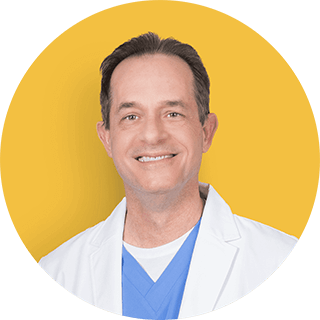
Dr. Philip LoPresti
Meet Dr. Philip LoPresti, DABVLM, FACS, a board-certified surgeon and vein specialist and surgeon with over 20 years of experience. Schedule an appointment with him in Queens, NY today.
Meet Dr. Philip LoPresti
Trusted insight from the nationally accredited, board-certified vein doctors at Metro Vein Centers.