The best foods for vein health are those that boost circulation, reduce inflammation, and are high in antioxidants, Omega-3 fatty acids, and fiber. You’ve heard the phrase "you are what you eat," and because our veins are dynamic tissues, they, too, respond directly to what we consume. While our diets can’t treat vein diseases, choosing the right foods and avoiding others can support our vein health.
Key Takeaways
- The foods you eat impact every system in your body, influencing everything from blood flow to memory.
- Foods rich in antioxidants, like berries, citrus fruits, and leafy greens, can help boost vein elasticity and reduce inflammation.
- Foods that contain omega-3 fatty acids, like salmon and mackerel, can help improve blood flow and circulation.
- High-fiber foods help prevent constipation, manage weight, and lower cholesterol, all of which positively impact vein health.
- Staying hydrated also supports vein health and circulation.
- It's important to limit processed foods, excessive sodium, and saturated fats.
- While diet can help maintain vein health, it may not reverse existing conditions like varicose veins.
- For proper diagnosis and treatment, it is recommended that you consult a vein health specialist.
Understanding the Link Between Diet and Vein Health
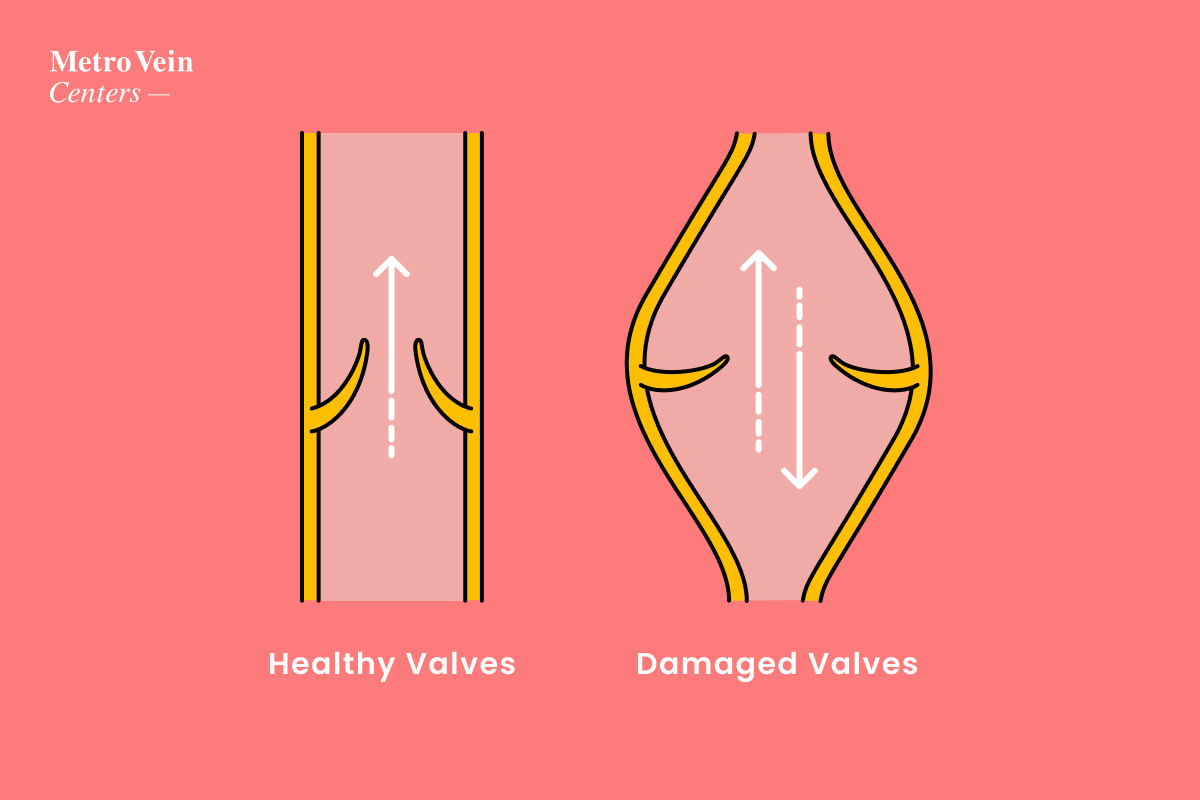
Your veins depend on the food you eat to provide nutrients that reduce inflammation, strengthen vein walls, and improve circulation. A balanced diet can help keep your blood pumping efficiently and reduce the strain on your circulatory system. When your body doesn’t get enough key vitamins and minerals, this can contribute to weakened blood vessel walls, making them more susceptible to the development of chronic venous insufficiency (CVI) and varicose veins.
A balanced diet is key to losing excess weight and maintaining a healthy weight. Beyond aesthetics, weight management is also essential for vein health. Keeping your weight in check reduces strain on your veins, promotes better blood circulation, and helps prevent leg swelling.
How Nutrition Affects Circulation
Blood carries vital nutrients and oxygen-rich blood to and from your heart. A healthy diet ensures your blood contains enough of these nutrients to support the proper functioning of every major system in your body. Specific nutrients like omega-3 fatty acids, nitrates, and antioxidants support healthy circulation by lowering blood pressure and reducing the risk of developing clots or blockages throughout the arteries and veins.
Key Nutrients for Vascular Strength
Your blood vessel walls must be flexible and strong to handle the blood flow pressure. To maintain this flexibility and strength, it's important to exercise regularly, maintain a healthy weight, stay hydrated, and follow a balanced diet rich in key vitamins and minerals. Here is a breakdown of the essential nutrients your veins need to thrive:
- Vessel elasticity: Vitamin C, rutin
- Blood flow: nitrates (from leafy greens), B-complex vitamins
- Inflammation control: omega-3 fatty acids, flavonoids, and bioflavonoids
- Pressure relief: fiber
Audit Your Pantry: The Best Foods for Vein Health
Foods promoting good cardiovascular health, a healthy weight, and energy are prime choices for vein health. These foods contain healthy fats, antioxidants, vitamins, minerals, and heart-protective fiber.
Not all vein-friendly foods work the same way, however. Each food group targets a specific function, from widening blood vessels to reducing inflammation, to keep your circulatory system running smoothly.
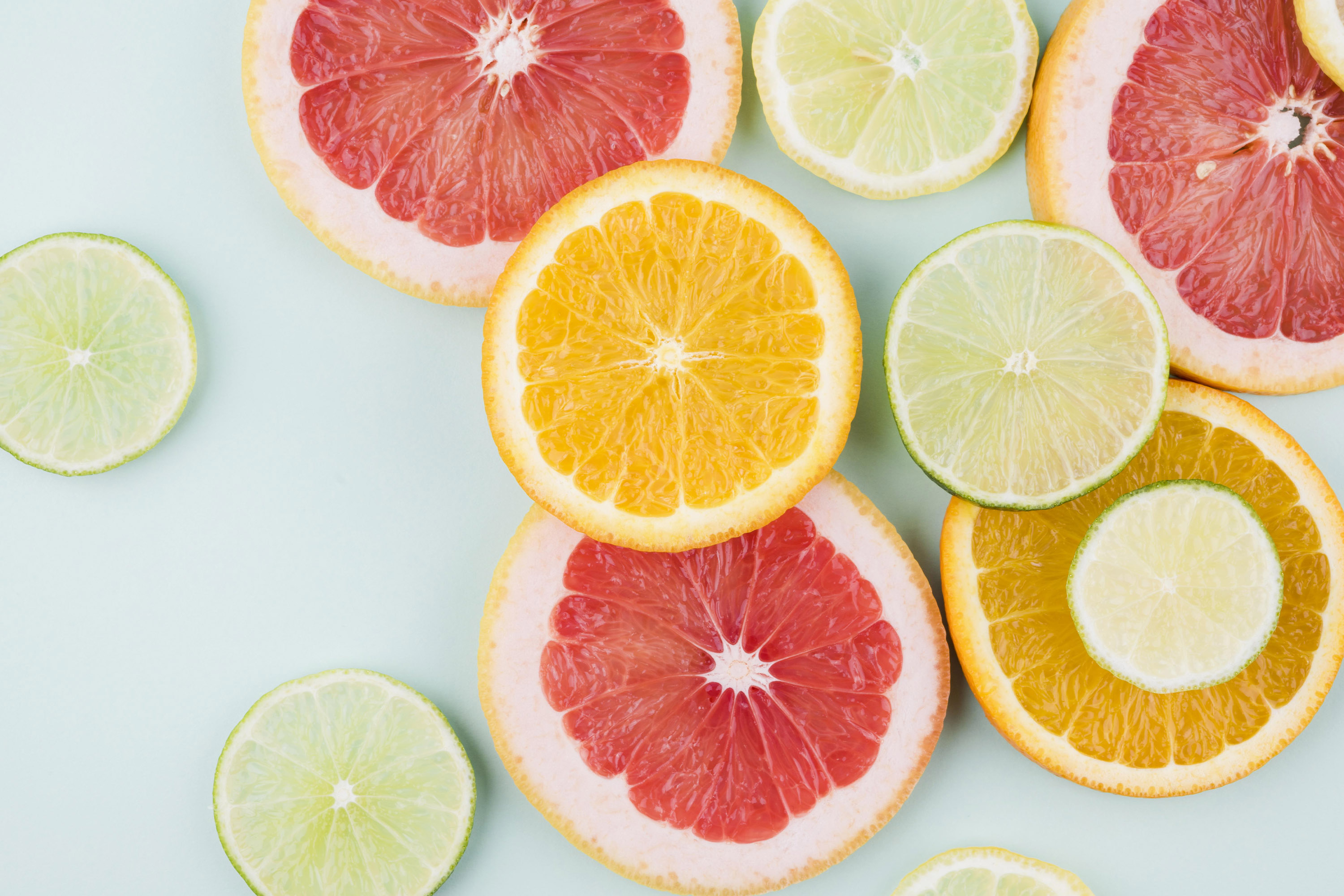
Berries and Citrus Fruits: Nature's Vein Protectors
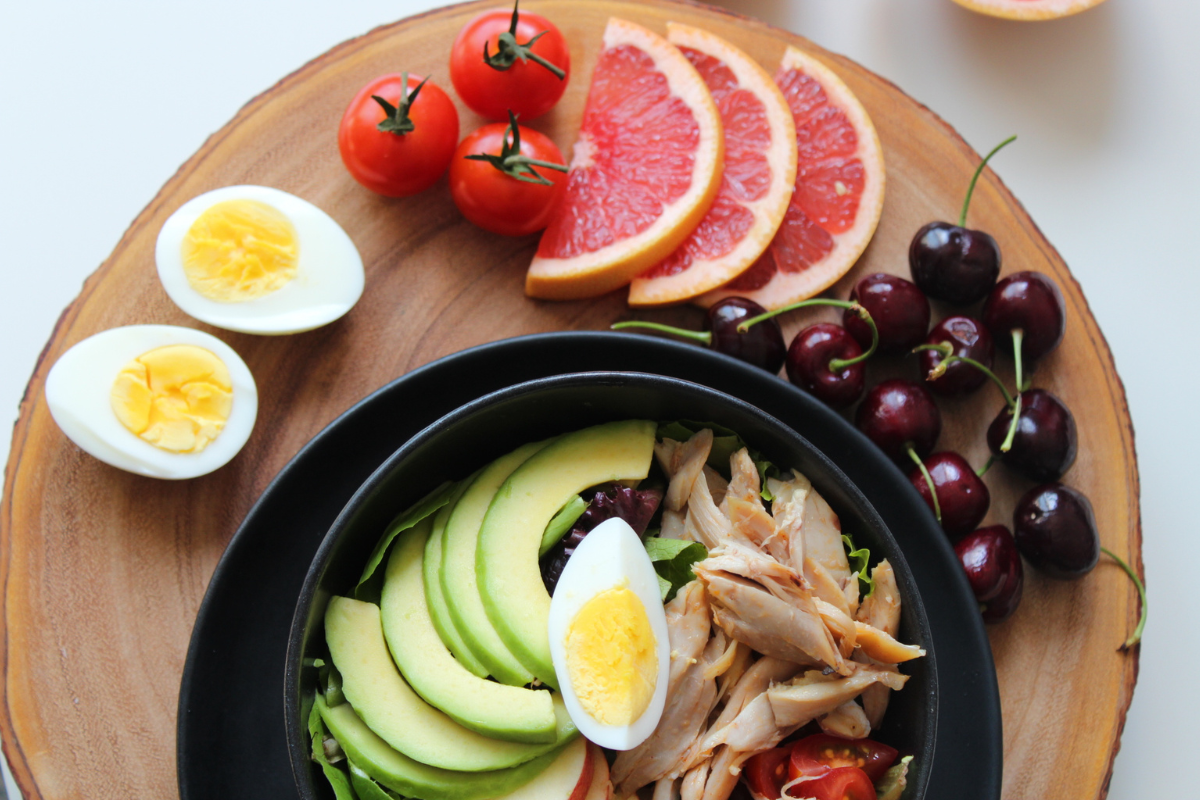
Berries and citrus fruits are rich in vitamins A, C, and E, which act as powerful antioxidants. These nutrients can help reduce cellular inflammation, combat free radical damage, and accelerate the healing of tissues, cells, muscles, and blood vessels.
Food Examples: Strawberries, blackberries, grapefruit, and lemons.
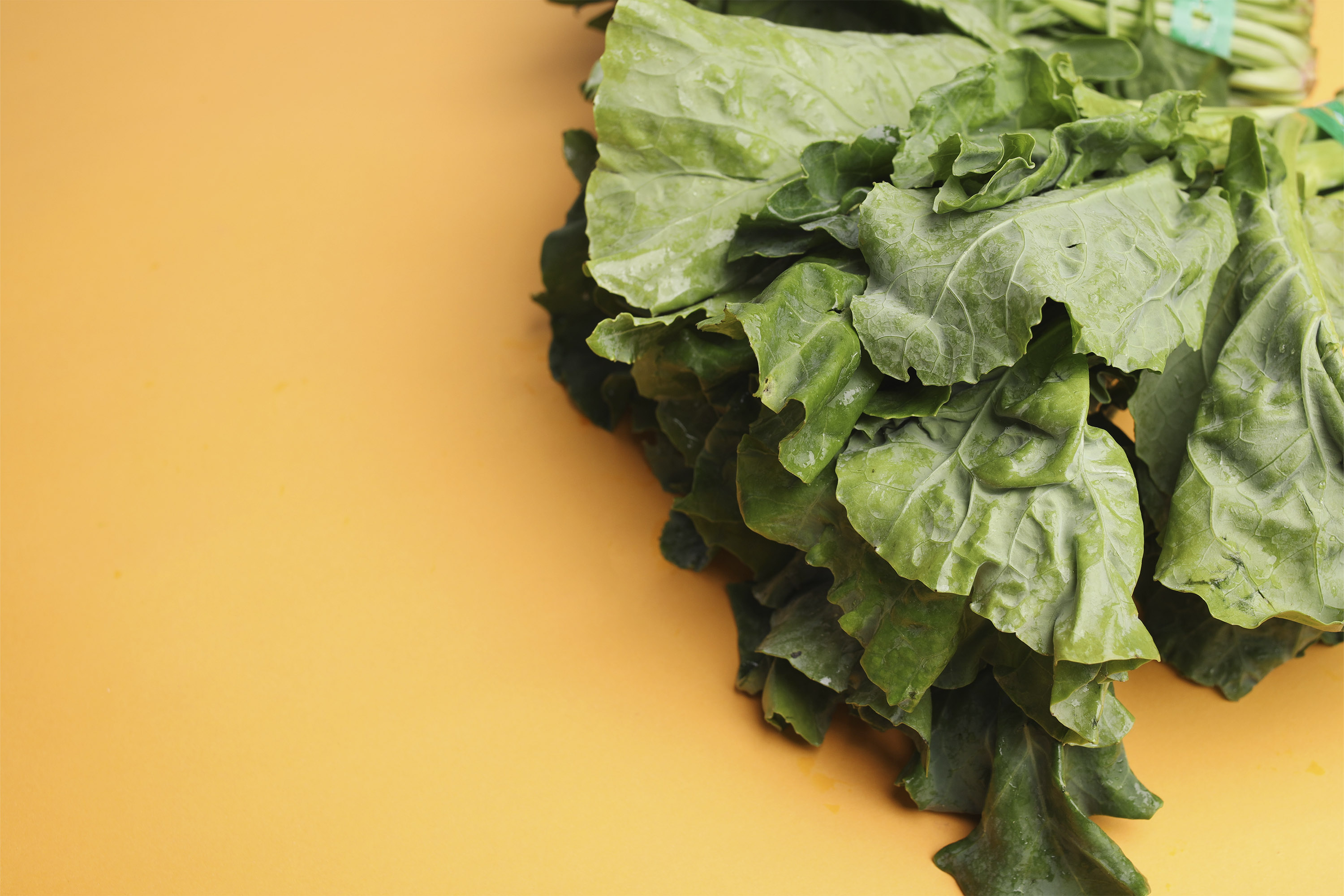
Leafy Greens: Nitrate-Rich Circulation Boosters
Green leafy vegetables contain natural nitrates that the body converts into nitric oxide in the body. Nitric oxide is a vasodilator that widens (dilates) and relaxes the blood vessels, allowing blood to flow freely and helping to prevent long-term vein damage.
Food Examples: Spinach and kale.
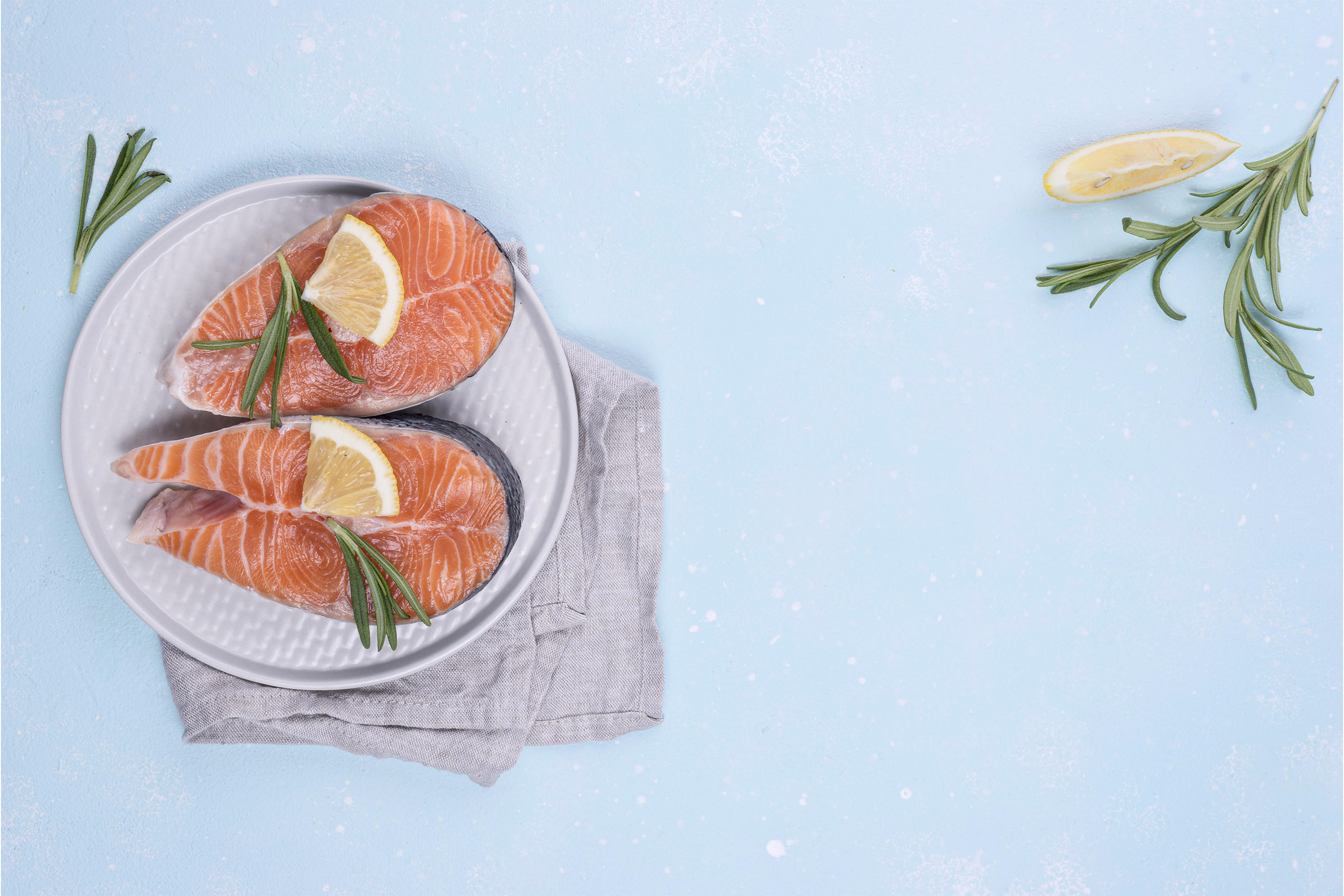
Fatty Fish: Omega-3 Powerhouses
Fatty fish is packed with omega-3 fatty acids, an essential nutrient your body cannot produce on its own. Omega-3s reduce systemic inflammation and help prevent plaque buildup in the arteries.
Food Examples: Salmon, mackerel, and tuna.
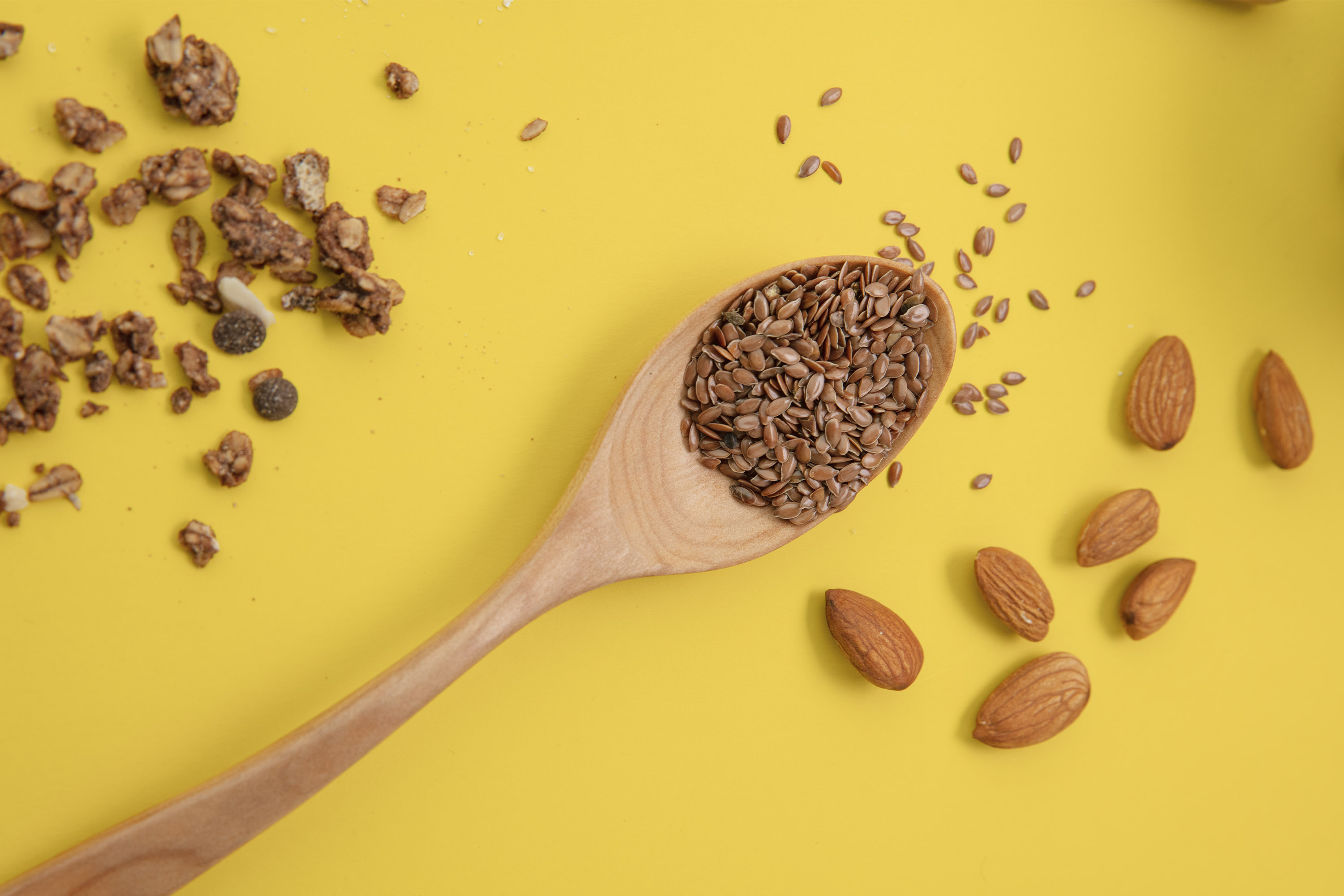
Nuts and Seeds: Mineral-Rich Vein Supporters
Raw nuts and seeds provide essential trace minerals for the nervous system, fiber to aid digestion and weight management, and omega-3s to boost blood flow.
Food Examples: Chia seeds, walnuts, and almonds (best enjoyed raw without added salt or sugar).
Download Your Free Vein-Healthy Grocery List
Take the guesswork out of your next shopping trip. Click here to download our free, printable PDF guide featuring the ultimate checklist of vein-health foods that support blood flow and circulation.
Download the Free Grocery List
How Does Hydration Affect Your Veins?
Hydration is crucial for maintaining many body functions. It facilitates the transport of nutrients into cells, aids in waste elimination, and helps regulate the nervous system and body temperature. These functions make water a vital resource for overall health. Plus, staying adequately hydrated can contribute to better vein health.

The Importance of Water for Blood Flow
Staying adequately hydrated helps thin the blood, allowing it to flow easily through the veins and return to the heart. Proper hydration also promotes healthy vein elasticity, ensuring they function effectively. Conversely, the blood becomes thicker when dehydrated, contributing to distended and bulging veins. This significantly raises the risk of developing varicose veins and deep vein thrombosis (blood clots).
To avoid this complication, it’s important to drink enough water every day. While the CDC no longer recommends a set number of cups per day, there are ways to ensure that you remain hydrated.
Pro tip: Set a reminder to drink enough water during long stretches of sitting or standing.
Hydrating Foods to Include in Your Diet
Foods that contain plenty of water are great for improving hydration. These foods are fresh and packed with numerous life-sustaining antioxidants and minerals.
A few hydrating foods you can incorporate into your diet for vein health include:
- Watermelon
- Oranges
- Pineapple
- Grapes
- Cucumbers
- Tomatoes
- Bell peppers
- Beetroot
Anti-Inflammatory Foods for Vein Health
Chronic, low-grade inflammation is one of the primary forces behind vein valve damage, acting as a hidden threat to your veins and circulatory health. To promote healthy veins and protect these valves, it's essential to maintain a low-inflammatory state. You can achieve this by reducing stress, staying active, and eating plenty of anti-inflammatory foods.
Spices and Herbs That Improve Circulation
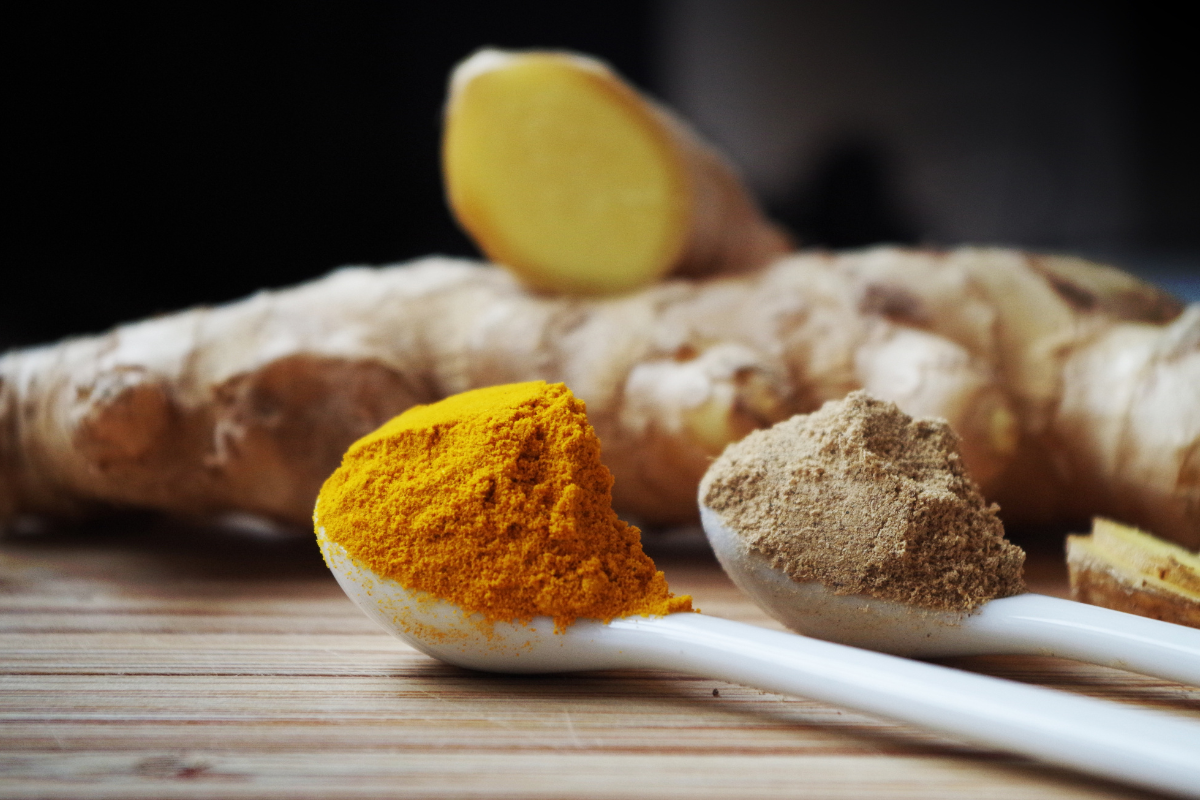
Throughout history, people have utilized nutrition for vein health, including the use of spices and herbs. Today, healthcare practices like Ayurveda and Traditional Chinese Medicine continue to incorporate these methods. There are several spices that have been shown to enhance circulation and may help support vein health that you might already have at home.
They include:
- Cinnamon
- Turmeric (the yellow pigment in curry powder)
- Ginger
- Garlic
- Cayenne pepper
Dark Chocolate: A Sweet Treat for Your Veins
Dark chocolate contains fewer additives than milk chocolate, so it retains many heart-healthy flavonoids. Flavonoids lower inflammation and the risk of heart disease and some cancers. Recent studies have also uncovered flavonoids' potential as a supportive treatment for chronic venous insufficiency and varicose veins.

Foods to Limit for Better Vein Health
Foods can be beneficial or harmful to your veins. Heavily processed items, foods high in saturated fat, and salty snacks all share a common thread: they raise inflammation, cause water retention, or increase venous pressure, which wears down valve function over time. This combination can lead to vascular blockages and significantly restricted blood flow. Unfortunately, these issues may not be apparent right away; many people only become aware of the damage after experiencing leg pain, swelling, or ulcers. To prevent these complications, it's best to avoid the following unhealthy foods.
High-Sodium Foods and Their Impact
High-sodium foods can negatively affect the circulatory system by causing water retention, which places excess pressure on the veins. Sodium can also impair the dilation of your arteries and can contribute to elevated blood pressure.
Processed Foods and Vascular Health
Processed foods have ingredients added to improve their look, taste, and shelf life. Ultra-processed foods often contain excess sugar, sodium, and unhealthy fats, which can lead to inflammation, heart disease, high cholesterol, and vascular damage.
Examples of highly processed foods include:
- Chips
- Cookies
- Bread
- Bologna
- Hot dogs
- Ketchup
- Soda
Meal Planning for Vein Health
To maintain good vein health, follow a diet rich in fiber and low in saturated fats. Including sources high in flavonoids, such as green tea, blueberries, and citrus fruits, can also promote strong veins and blood vessels.
Sample Day of Vein-Friendly Eating
If you're interested in using nutrition for vein health but aren't sure where to start, take a look at this sample menu of vein-friendly meal ideas:
Breakfast: Whole wheat pancakes with strawberries
Lunch: Salad greens with pears, fennel, and walnuts (add grilled chicken breast for a healthy protein source)
Dinner: Chicken with creamy mushroom sauce and sautéed greens with pecans
Snack Ideas to Boost Circulation
To maintain good circulation, snack on nutrient-dense, fresh foods. These foods will include healthy fats, flavonoids, nitrates, and antioxidants.
Examples include:
- Fruit salad with mixed citrus fruit, apples, and grapes
- Small piece of dark chocolate and mixed nuts
- Smoothie containing citrus fruit, low-fat yogurt, blackberries, and protein
- Yogurt parfait made with low-fat yogurt and fresh mixed berries
- Half of an avocado stuffed with tuna salad
Supplements for Vein Health
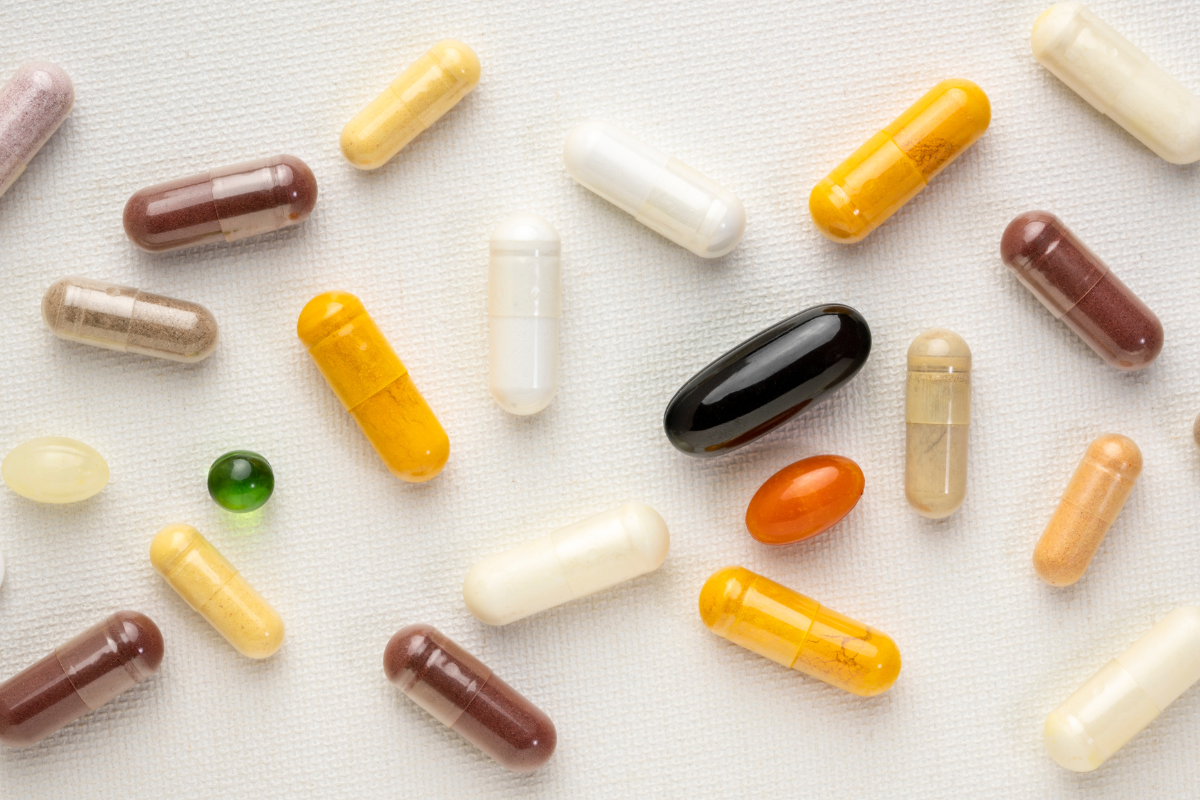
Your body relies on specific nutrients to maintain the integrity of your vein walls and valves. Supplementing can be beneficial when you don't receive enough nutrients from your diet.
When to Consider Nutritional Supplements
Healthy individuals who follow a balanced diet may not require supplementation to keep their veins healthy. However, those who fall into one of the following categories should consider using them:
- People who follow restrictive diets.
- Individuals with food allergies or sensitivities.
- Anyone with a vitamin or mineral deficiency.
- People with gastrointestinal conditions like IBS.
- Individuals with prior vein problems.
- People with heart disease or circulatory conditions.
Essential Vitamins and Minerals for Vascular Support
Several vitamins and minerals promote vascular health by combating cellular damage, lowering cholesterol, and reducing the risk of blood clots.
They are as follows:
- Vitamin E – improves circulation
- Vitamin B2 – increases hemoglobin levels and improves anemia
- Vitamin C - improves vasodilation and blood flow
- Vitamin D - reduces the risk of calcification in the veins and vascular wall damage
- Vitamin K - reduces vascular calcification
Lifestyle Factors That Complement a Vein-Healthy Diet
Your veins depend on a steady-flowing blood supply to remain healthy and strong. Sitting or standing too long or gaining excessive weight can put pressure on the veins, causing inner valve collapse and blood pooling. The pressure from this backup leads to painful conditions like bulging varicose veins or blood clots. The good news is that you can make many lifestyle modifications to reduce these risks. While proper nutrition provides a powerful foundation for supporting your veins, it works best when combined with lifestyle changes like regular movement, supportive compression therapy, and periodic check-ins with a vein specialist to ensure your circulation stays on track.
Exercise and Its Impact on Circulation
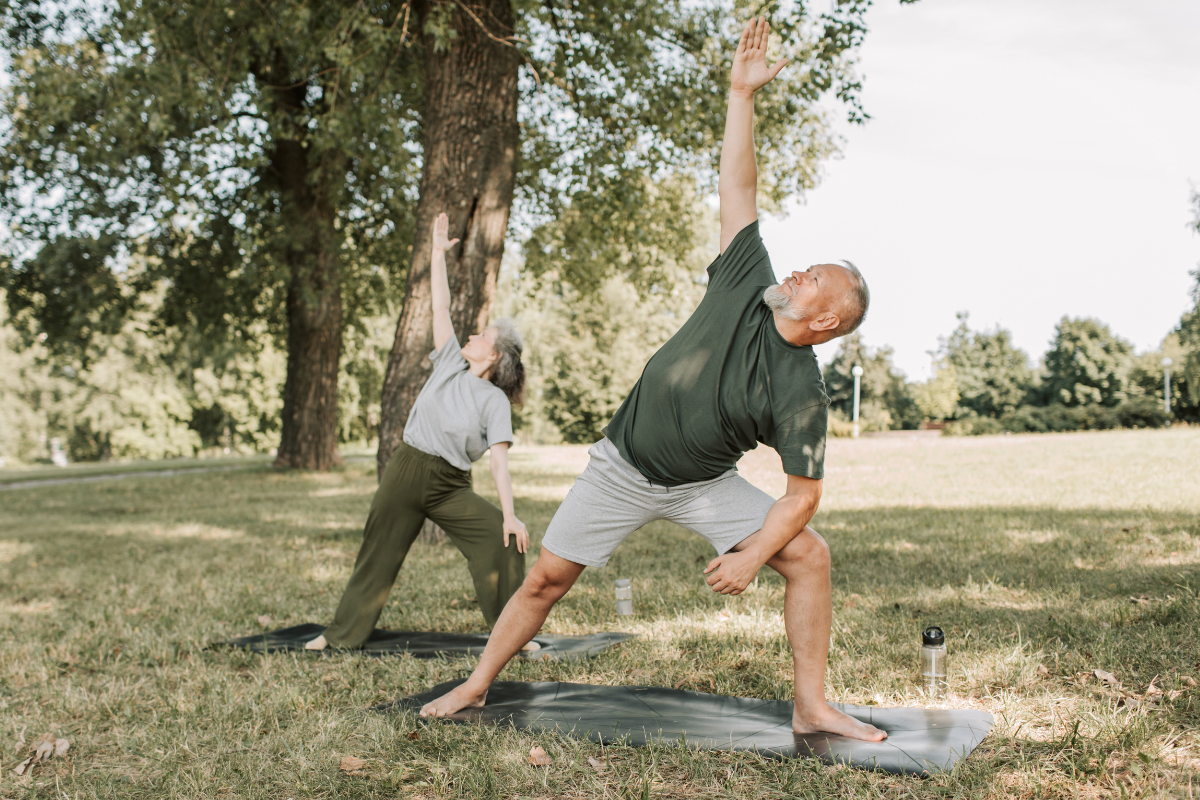
When it comes to heart-protective measures, physical activity is always top-tier. It boosts circulation, lowers blood pressure, and improves levels of high-density lipoprotein (HDL) (good cholesterol). Together, these benefits strengthen your heart while improving your overall well-being. Experts also found that regular exercise offers vascular benefits like reducing pressure on the veins and lowering the risk of blood clots.
Maintaining a Healthy Weight for Vein Health
Excess weight puts strain on your joints and organs and can restrict blood flow in your veins. Being overweight or obese are two major contributors that can lead to varicose veins. To evaluate your risk of developing varicose veins related to excess weight, calculate your Body Mass Index (BMI) using an online calculator.
If your BMI is over 24.9, you may be at risk. Bringing your weight down will reduce your Body Mass Index, putting you in a healthier category. The ideal BMI for a healthy weight is 18.5 to 24.9.
Improve Your Vein Health Today
Nutrition is one of the most powerful tools you have for protecting your veins, but it works best when combined with expert care. While healthy eating is essential for preventing future damage, additional treatment is necessary to reverse existing conditions such as varicose veins, spider veins, or chronic ulcers.
Call us at 866-342-2566 to schedule a free vein screening to evaluate your risk today.
Metro Vein Centers provides these screenings at our accredited clinics. If you need treatment beyond nutritional changes, we offer a variety of minimally invasive and non-invasive procedures that typically take less than 30 minutes and involve little to no downtime.
Take the next step in your vein health journey! Book a free consultation to create a personalized treatment plan tailored to your needs.

Frequently Asked Questions
Yes, including high-fiber, plant-based foods in your diet can improve your vein health by reducing inflammation and venous pressure. However, switching to an exclusively plant-based diet may actually increase your risk of varicose veins, a trend that is particularly notable among men.
The best dietary sources of rutin include apples, blueberries, buckwheat, grapes, and olives. Rutin is a powerful plant pigment and flavonoid that helps strengthen weak capillaries and protect blood vessels from damage.
Vitamin K contributes to vascular strength by reducing inflammation and protecting against the hardening of blood vessels. Specifically, it activates matrix Gla protein (MGP) to prevent calcium buildup in vessel walls, while also strengthening capillary walls to enhance elasticity and prevent ruptures.
Yes, fruits like avocados, apples, oranges, and tomatoes are excellent for preventing varicose veins. These specific fruits are rich in antioxidants, vitamin C, and bioflavonoids that help protect blood vessels and keep vein walls flexible.
No, dietary changes alone cannot reverse or cure venous insufficiency once the vein valves have already been damaged. While a healthy diet is crucial for managing symptoms and preventing the condition from worsening, you should see a vascular specialist to receive medically approved treatments that can repair or close the damaged veins.
The best diet for chronic venous insufficiency emphasizes anti-inflammatory foods, adequate fiber, and nutrients that support vein wall strength, while limiting sodium, processed foods, and alcohol.
The foods most effective at increasing blood flow work by boosting nitric oxide production, which relaxes and widens blood vessels naturally. The foods most effective at increasing blood flow work by boosting nitric oxide production, which relaxes and widens blood vessels naturally. Nitrate-rich foods like leafy greens, beets, and beet juice are the strongest dietary sources of this effect. Omega-3 fatty acids from fatty fish and walnuts also improve circulation by reducing the inflammation that restricts healthy blood flow.
Dr. Philip LoPresti
Meet Dr. Philip LoPresti, DABVLM, FACS, a board-certified surgeon and vein specialist and surgeon with over 20 years of experience. Schedule an appointment with him in Queens, NY today.
Meet Dr. Philip LoPresti
Trusted insight from the nationally accredited, board-certified vein doctors at Metro Vein Centers.